The Future of Cybersecurity: 5 Threats Small Businesses Must Watch
The Future of Cybersecurity: 5 Threats Small Businesses Must Watch
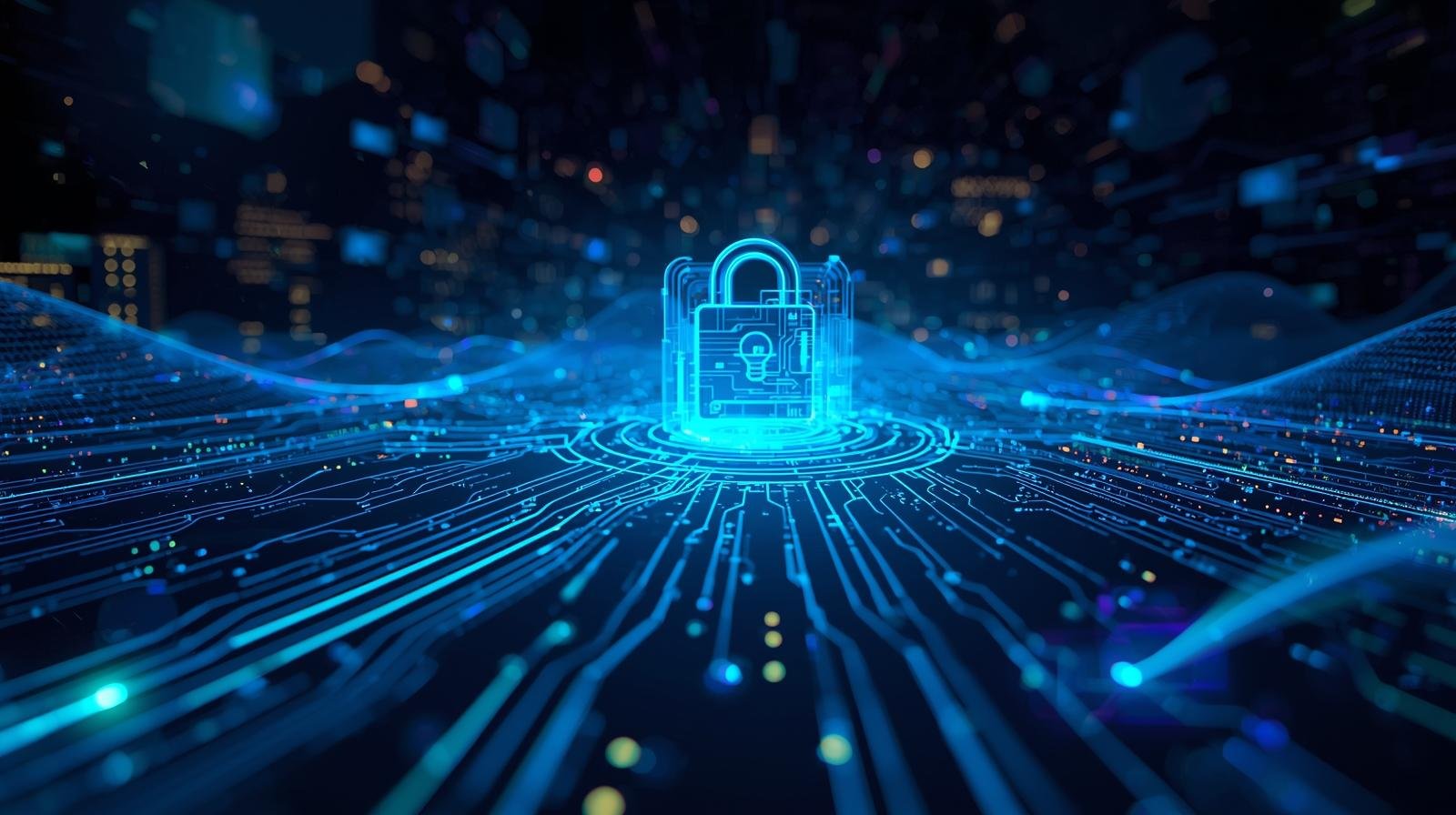
The digital landscape in 2026 is faster, smarter, and more dangerous than ever before.
For small business owners, the days of installing a simple antivirus and hoping for the best are over.
We are living in the age of AI for business efficiency, but criminals are using the same powerful tools to break in.
The threats have evolved. They are no longer just automated scripts; they are intelligent agents.
To survive and thrive, you need to know what is coming.
Here are the top 5 cybersecurity threats that every small business must watch in 2026, and how to stay safe.
1. AI-Powered "Hyper-Phishing"
Remember the days when phishing emails were full of typos and bad grammar?
Those days are gone.
In 2026, hackers are using Generative AI to create perfect, personalized scams. This is known as "Hyper-Phishing."
The Threat
Criminals scrape your social media and professional networks. They use AI to analyze your writing style.
Then, they send an email to your employee that looks exactly like it came from you.
It references real projects, recent meetings, and specific deadlines.
Why It Matters
These emails bypass traditional spam filters because they don't contain malicious links right away. They rely on social trust.
The Best AI tools 2026 has to offer are being weaponized to trick your team into transferring funds or sharing passwords.
Defense Tip: Implement "Zero Trust" verification. If a payment request comes via email, verify it via a voice call or an internal chat app.
2. Deepfake Impersonation in Live Meetings
This sounds like science fiction, but it is a reality for businesses today.
Video and voice cloning technology has become cheap and accessible.
The Threat
Attackers can now join a Zoom or Teams meeting posing as a CEO or a vendor.
They use real-time deepfake overlays to mimic a face and voice modifiers to sound identical to the target.
They might claim they have a "bad connection" to hide minor glitches, then ask for urgent authorization on a transaction.
Why It Matters
Small businesses often rely on informal video calls to make quick decisions.
If your finance manager sees your face on a screen asking for a transfer, they will likely do it.
Defense Tip: Establish a "safe word" or a specific offline protocol for any financial movement over a certain amount.
3. Ransomware-as-a-Service (RaaS) 2.0
Ransomware is not new, but the business model has changed.
It is now a professional industry.
The Threat
In 2026, you don't need to be a coder to be a hacker. Criminals buy "Ransomware kits" on the dark web for a monthly subscription.
These kits come with customer support and user-friendly dashboards.
The attacks have shifted to "Double Extortion."
They don't just lock your files. They steal your customer data first.
If you have backups and refuse to pay for the unlock key, they threaten to leak the private data publicly
Why It Matters
For a small business, a data leak can be fatal. The loss of customer trust is often more expensive than the ransom itself.
Defense Tip: Use immutable backups. These are backup files that cannot be altered or deleted, even by an admin password, for a set period.
4. The "Shadow AI" Vulnerability

Your employees want to be productive. They want to use Future of work tools to get things done faster.
But this drive for efficiency creates a massive security hole.
The Threat
"Shadow AI" occurs when employees paste sensitive company data into unapproved public AI chatbots to write reports or analyze spreadsheets.
They don't realize that this data might be used to train the public model.
Why It Matters
Your proprietary secrets, customer lists, or legal strategies could accidentally leak into the public domain.
Hackers are also creating fake "productivity tools" that claim to be the Best AI tools 2026 offers.
Employees download them, thinking they are helpful, but they are actually spyware designed to steal login session tokens.
Defense Tip: Don't ban AI. instead, provide an approved, private enterprise sandbox where staff can work safely.
5. Supply Chain "Island Hopping"
You might think you are too small to be a target.
But you might be a stepping stone to a bigger prize.
The Threat
"Island Hopping" is when hackers breach a small business to get access to their larger clients.
If you are a marketing agency, a law firm, or a supplier for a larger corporation, you are a target.
Why It Matters
Hackers compromise your email system. Then, they send an invoice to your big client from your legitimate account.
The client pays it because they trust you.
When the fraud is discovered, you are liable. You lose the money, and you lose the client.
Defense Tip: Turn on Multi-Factor Authentication (MFA) for every single account. It is the single most effective way to stop account takeovers.
Building a Resilient Future
The Future of work tools are amazing, but they require a new mindset.
Security is no longer just an IT problem. It is a business survival skill.
You don't need a million-dollar budget to be secure. You need a culture of awareness.
Quick Wins for 2026:
-
Update Everything: Automate updates for all software. Old software is an open door.
-
Train Your Humans: Run simulation attacks. Teach your team to spot the signs of AI manipulation.
-
Limit Access: No employee should have access to every file. Use the "Principle of Least Privilege."
Cybersecurity in 2026 is about resilience. It is about how fast you can get back up after you get knocked down.
By watching these 5 threats, you can keep your small business safe in this brave new world.
For more insights on securing your digital presence and optimizing your site for the future, visit Simplseo.
Popular Tools
Recent Posts